North Texas Weekly
Everything is Opportunity
Wedding Photography Styles Explained for Every Couple
Athena C.
5/11/26
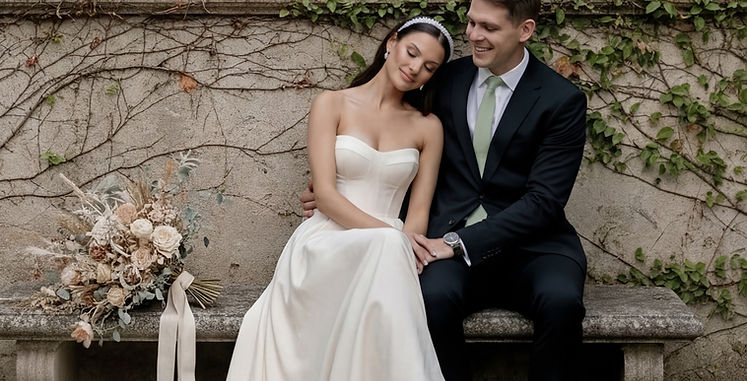
Wedding photography style terminology can feel like its own vocabulary, and knowing the basics before browsing portfolios helps you communicate what you want and recognize it when you see it. This guide breaks down the major style categories and what distinguishes each one from the others.
Documentary or Photojournalistic Style
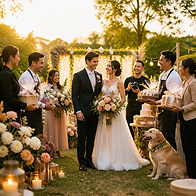
This style captures candid, unposed moments as they naturally unfold, prioritizing authentic emotion over composed shots. Photographers working in this style tend to blend into the background rather than directing scenes, resulting in a gallery that reads more like a visual story than a series of formal portraits.
This style requires significant skill in anticipating moments before they happen, since the photographer cannot ask guests to repeat a genuine reaction or laugh for the camera.
Traditional or Classic Style
Traditional photography emphasizes posed, formal portraits with careful attention to composition, lighting, and group arrangement. This style suits couples who want polished, timeless images and are comfortable directing time toward formal family and wedding party portraits throughout the day.
Fine Art Style
Fine art wedding photography treats each image as a carefully composed piece, often with dramatic lighting, artistic framing, and a painterly quality. This style typically requires more direction and setup time than documentary photography, trading spontaneity for a highly polished, editorial-quality result.
How Print Quality Interacts With Style Choice
Some editing styles, particularly high-contrast or heavily processed looks, translate differently to print than they appear on a screen. If large printed portraits or an album are a priority, ask your photographer specifically how their editing style holds up in physical print, since this is easy to overlook when reviewing a digital-only portfolio.
Bright and Airy Versus Moody and Dark
Beyond composition style, editing approach creates a major visual distinction. Bright and airy editing favors light, soft tones and high exposure, popular for outdoor and daytime weddings. Moody, darker editing emphasizes deep shadows and rich color tones, often suiting evening receptions or a more dramatic overall aesthetic.
Neither editing approach is objectively better — the right choice depends on your personal taste and how well it complements your specific venue's natural lighting conditions throughout the day.
Editorial Style
Editorial wedding photography borrows techniques from fashion and magazine photography, often featuring dramatic posing and a strong emphasis on styling and composition. This style works particularly well for couples who want their wedding photos to feel like a professional photo shoot rather than a documentary record.
How to Communicate Style Preferences Clearly
Beyond naming a category, describe the specific emotional quality you want your photos to convey — timeless and elegant, joyful and energetic, quiet and intimate — since this kind of descriptive language often helps a photographer understand your vision more precisely than a single style label alone.
Vintage or Film-Inspired Style
Some photographers shoot on actual film, or edit digital images to emulate film's characteristic grain, color rendering, and tonal range. This style appeals to couples drawn to a nostalgic, timeless quality distinct from the crisper look of standard digital photography.
True film photography also involves a fundamentally different workflow, since photographers cannot review shots instantly and must trust their experience more heavily than digital shooters who can check exposure in real time.
Blended Styles Are Increasingly Common
Many photographers today blend elements from multiple categories — documentary candids paired with a handful of fine art formal portraits, for example — rather than adhering strictly to one single style. When reviewing portfolios, look for the overall balance and mix rather than expecting a photographer to fit neatly into just one category.
This blended approach has become the norm rather than the exception, since very few modern wedding photographers shoot in a single, rigidly defined style throughout the entirety of an entire wedding day.
How Venue and Season Affect Style Choice
An outdoor, natural-light venue often pairs beautifully with a bright and airy editing style, while an indoor evening reception with dramatic lighting may suit a moodier aesthetic better. Consider how your specific venue's lighting conditions interact with different editing styles when reviewing portfolios, since a photographer's style may perform differently across various settings than it appears in their curated portfolio.
Discussing Style Preferences With Your Photographer
Bring specific reference images to your consultation rather than relying on vague style descriptions alone, since terms like "bright and airy" or "moody" can mean different things to different photographers. Visual references create a much clearer shared understanding of what you actually want.
How Style Choices Affect Your Overall Wedding Aesthetic
Your photography style ideally complements your venue, décor, and attire choices, creating a cohesive visual thread across the entire wedding rather than existing as an isolated decision. Consider your overall aesthetic vision when narrowing down photography style preferences, since a jarring mismatch between venue formality and photography style can feel visually inconsistent in the final gallery and across your printed materials.
Style Consistency Across Photography and Videography
If you are booking both a photographer and videographer, discuss whether their respective styles complement each other, since a highly stylized cinematic film alongside a purely documentary photo gallery can feel like two different events rather than one cohesive record of the same day.
A quick conversation between both vendors before the wedding, even briefly, helps align their approaches enough to feel like a unified creative vision across your final photo and video deliverables. Consider mentioning this alignment goal to both vendors directly during your initial consultations, before either contract is signed.
Frequently Asked Questions
How do we figure out which style we actually want?
Save reference images from real weddings that resonate with you, and look for common threads — lighting, posing, color tone — across your saved favorites. This exercise often reveals a clearer style preference than trying to name a specific category from memory alone.
Can a photographer shoot in a style outside their typical portfolio?
Generally, no — a photographer's editing style and shooting approach are deeply ingrained in their workflow, and asking them to shoot in a dramatically different style than their portfolio shows often produces inconsistent or disappointing results. Choose a photographer whose existing style already matches what you want.
Does photography style affect the overall cost?
Not inherently by category, though fine art and editorial styles sometimes carry a premium given the additional time and direction required during the shoot itself. Compare quotes directly rather than assuming one style category is universally more or less expensive.
What style works best for a very candid, low-key wedding?
Documentary or photojournalistic style tends to suit relaxed, low-key weddings particularly well, since it captures the day as it naturally unfolds without requiring extensive posing or direction that might feel at odds with a casual atmosphere.
Can we request specific editing adjustments after the fact?
Most photographers allow minor adjustment requests within their established editing style, but a dramatic style change after delivery is generally not part of standard service and would require a separate discussion and potentially additional cost.
Does a photographer's equipment affect their style?
Equipment affects technical capability more than style directly, though certain lenses and camera bodies do influence factors like depth of field and low-light performance, which can subtly shape the final look of images across different photographers.