North Texas Weekly
Everything is Opportunity
Wedding Day Photo Timeline: A Complete Planning Guide
Athena C.
5/11/26
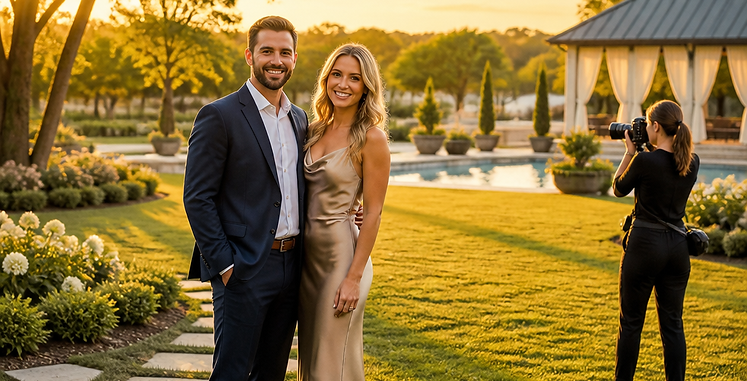
A well-planned photo timeline is one of the most underrated tools for a smooth, low-stress wedding day, since it prevents the common experience of feeling rushed through key moments or discovering a gap in coverage after the fact. This guide covers how to build a realistic timeline with your photographer.
Working Backward From Your Ceremony Time
The most reliable way to build a timeline is working backward from your ceremony start time, allocating realistic blocks for each phase — getting ready, first look if applicable, family portraits, and any pre-ceremony buffer. This approach surfaces scheduling conflicts far earlier than trying to build the timeline forward from the morning.
Working backward also makes it immediately obvious if your morning schedule is unrealistically tight, giving you time to adjust before the wedding day itself rather than discovering the problem in the moment.
Typical Time Allocations by Phase
Getting ready coverage — one to two hours, capturing final preparation and candid moments
First look and couple portraits — thirty minutes to an hour, if included
Family and wedding party portraits — thirty minutes to an hour, depending on group size
Ceremony — typically twenty minutes to an hour depending on your specific ceremony style
Cocktail hour candids — roughly an hour, capturing guest interactions and details
Reception coverage — three to five hours, covering entrance, dinner, toasts, and dancing
These figures are a helpful starting framework, but always adjust them based on your own ceremony length, guest count, and specific priorities rather than treating them as a rigid formula.
Building in Realistic Buffer Time
Every phase of a wedding day tends to run longer than initially planned — hair and makeup finishing later than expected, family members arriving late for portraits. Add a 15 to 20 minute buffer to each major transition in your timeline rather than assuming everything will run exactly on schedule.
Coordinating the Timeline With Other Vendors
Share your photography timeline with your caterer, venue coordinator, and DJ or band, since these vendors need to align their own schedules around key photo moments like the grand entrance and first dance. A timeline shared only with your photographer creates coordination gaps with the rest of your vendor team.
A single master timeline distributed to every vendor prevents the common problem of one vendor operating on outdated information while others have already adjusted to a schedule change.
Planning for Golden Hour Portraits
If dramatic outdoor portraits matter to you, build a specific window into your timeline for golden hour, the period shortly before sunset offering the most flattering natural light. This may mean stepping away briefly during the reception, so discuss this plan with your day-of coordinator so guests are not left wondering where the couple has gone.
Timeline Templates as a Starting Point
Many photographers provide a standard timeline template based on your total coverage hours, which serves as a useful starting draft to customize around your specific ceremony style, venue logistics, and any unique traditions or events you want to include in your particular day.
Adjusting the Timeline for a Shorter Photography Package
If your photography coverage is limited to fewer hours, prioritize which specific moments matter most to you — the ceremony and reception entrance, for example — and structure the available hours around protecting those priorities rather than spreading coverage thinly across the entire day.
Accounting for Sunset and Natural Light Windows
If outdoor portraits are a priority, research your exact sunset time for your wedding date and build golden hour into your timeline deliberately, rather than treating it as a flexible window that can shift around other logistics. This lighting window is fixed and unmovable, unlike most other parts of your schedule.
Building a Timeline That Protects Your Own Experience
Beyond photography logistics, a well-built timeline also protects your own ability to actually enjoy the day rather than feeling perpetually rushed from one photo op to the next. Build in a few unstructured minutes here and there, simply to breathe and take in the moment, rather than scheduling every single minute with a specific task.
Reviewing the Final Timeline With Your Wedding Party
Walk through the finalized timeline with your wedding party during the rehearsal, confirming everyone understands their specific timing for photos and other key moments throughout the day. This shared understanding prevents confusion and delays caused by wedding party members simply not knowing where they need to be at a given time.
Keeping a Printed Copy on Hand for the Wedding Day
Provide a printed copy of the final timeline to your day-of coordinator, photographer, and a few key wedding party members, since phone battery issues or spotty venue reception can make a purely digital timeline unreliable at exactly the moments it matters most.
A simple laminated card with the key timeline points is a small, inexpensive backup that has saved many weddings from confusion when technology fails at an inconvenient moment during an otherwise carefully planned day.
Final Thoughts on Building Your Timeline
A well-built timeline is ultimately a tool for reducing stress, not adding to it, so resist the urge to over-engineer every single minute of the day. Build in enough structure to keep the day running smoothly, while leaving enough flexibility to actually be present in the moments that matter most to you both.
Frequently Asked Questions
How far in advance should we finalize our photo timeline?
Finalize the timeline with your photographer about a month before the wedding, once your other vendor timelines and final guest count are settled, though a rough draft is worth building several months earlier to catch any major scheduling conflicts before they become a bigger problem.
What is the most common timeline mistake couples make?
Underestimating how long family portraits actually take is one of the most common mistakes, particularly for larger families or complex group combinations. Build in more time than feels necessary for this specific phase of the day.
Should our photographer help build the timeline, or should we do it ourselves?
Most experienced wedding photographers are glad to help build or review your timeline, since they have direct experience with how long each phase realistically takes and can flag potential issues before they become a genuine problem on the actual wedding day itself.
What happens if the timeline falls apart on the wedding day itself?
A skilled photographer and day-of coordinator can adapt in real time, adjusting priorities to protect the most important shots even if the schedule shifts unexpectedly. This is exactly why building in buffer time and communicating priorities clearly in advance matters so much for a smooth day.
Should we share our timeline with our wedding party in advance?
Yes — giving your wedding party a copy of the relevant portions of the timeline, particularly portrait times, helps them show up prepared and on schedule rather than needing to be tracked down repeatedly throughout the day by an already busy coordinator.
How detailed should our written timeline actually be?
Detailed enough to specify exact times for each major transition, but flexible enough to accommodate the inevitable small delays that occur throughout the day. A timeline broken into 15-to-30-minute blocks tends to strike the right balance between structure and realistic flexibility for everyone involved.