North Texas Weekly
Everything is Opportunity
Auto Body and Collision Repair in Collin County: Navigating Hail Damage
Judy K.
6/5/26
Find trusted auto body and collision repair shops in Collin County TX. Learn how to navigate hail damage claims and find the right shop. NorthTexasWeekly.com.
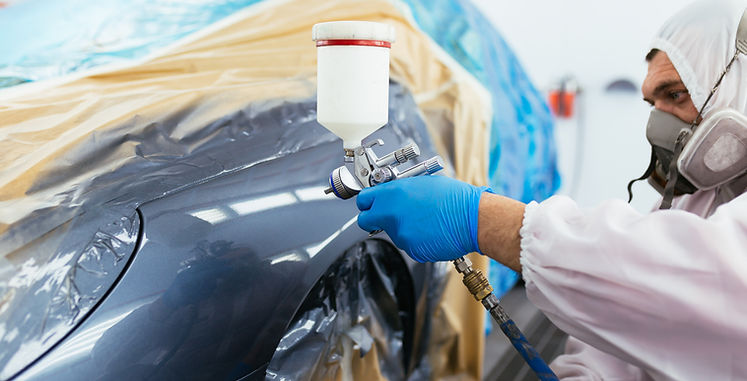
What every Collin County driver needs to know about finding a trusted collision shop and handling hail damage claims.
Collin County sits squarely in North Texas hail alley. Spring and early summer storm seasons regularly produce golf ball-sized hail that leaves thousands of vehicles dented across Frisco, Plano, McKinney, Allen, and the surrounding cities. Knowing how to navigate auto body and collision repair in Collin County — before the storm hits — can save you significant time, money, and frustration.
Understanding Hail Damage in North Texas
North Texas averages some of the highest hail frequency in the United States. A single storm event in Collin County can affect tens of thousands of vehicles in a matter of minutes.
Common hail damage types include:
Paintless dent repair (PDR) candidates: small to medium round dents with no paint cracking
Traditional body repair candidates: larger impacts, creased dents, or damage near panel edges
Total loss scenarios: when repair costs exceed the vehicle's actual cash value
Ideal for:
Drivers whose vehicles were caught in a Collin County hail event
Anyone unsure whether to file an insurance claim or pay out of pocket
New residents unfamiliar with how aggressive North Texas hail seasons can be
Paintless Dent Repair vs. Traditional Body Repair
Paintless Dent Repair (PDR)
PDR is the preferred method for most hail damage in Collin County. Skilled technicians use specialized tools to massage dents from the inside of body panels without disturbing the factory paint finish.
Why choose PDR:
Preserves original factory paint — maintains vehicle value
Faster turnaround than traditional body repair
Typically costs less than conventional repair
Most comprehensive auto insurance policies cover PDR under the comprehensive claim
Traditional Collision and Body Repair
When hail damage is severe — deep creases, cracked paint, damaged trim, or compromised structural panels — traditional collision repair is required. This involves filler, repainting, and panel replacement where needed.
When traditional repair is necessary:
Dents larger than a softball with paint damage
Impact near panel edges or body lines where PDR tools can't reach
Windshield, glass, and trim damage that accompanies major hail events
How to Navigate a Hail Damage Insurance Claim
Step 1: Document Everything First
Photograph your vehicle from all angles immediately after the storm
Capture close-ups of individual dents — the more documentation, the better
Note the date, time, and general location where your vehicle was parked
Step 2: File Your Comprehensive Claim
Hail damage falls under comprehensive coverage, not collision — different deductibles may apply
Contact your insurance company promptly — Collin County storms generate thousands of claims
Request a rental vehicle if your policy includes it — body shops fill up fast after major events
Step 3: Choose Your Own Shop
You are not required to use your insurance company's preferred shop. In Texas, you have the legal right to choose any licensed auto body shop for your repairs.
Get at least two written estimates before committing
Ask whether the shop is I-CAR certified or manufacturer-certified for your vehicle type
Confirm the shop will work directly with your insurance adjuster
Step 4: Watch for Storm-Chasing Shops
After major hail events, out-of-town 'storm chaser' shops set up temporary operations across Collin County. Use caution:
Verify the shop has a permanent physical address — not just a tent in a parking lot
Check for Google reviews and Better Business Bureau standing
Ask how long they've operated in North Texas
Avoid signing anything that assigns your insurance claim to a third party
What to Look for in a Collin County Auto Body Shop
I-CAR Gold Class certification — the industry's highest standard for collision repair training
OEM (Original Equipment Manufacturer) parts usage, especially for newer vehicles
Written warranty on workmanship — reputable shops stand behind their repairs
Direct repair program (DRP) relationships with major insurers for smoother claims processing
Established local presence — years in the Collin County market is a good sign
Cities with High Auto Body Shop Concentration
Frisco: Heavy demand driven by new vehicle ownership and frequent storm events along the tollway corridor
Plano: Long-established shops along major corridors including 75 and Spring Creek Parkway
McKinney: Growing number of shops serving the northern county, including US-380 corridor
Allen: Good concentration of shops along US-75 and Bethany Drive
Garland (Rockwall border): Additional options for southeast Collin County residents
Typical Repair Timelines
Minor PDR (10–30 dents): 1–3 business days
Moderate hail event (30–80 dents): 1–2 weeks
Severe hail damage with paint work: 3–6 weeks
Post-storm surge periods: Add 2–4 weeks to any estimate — shop backlogs are significant after large events
Protecting Your Vehicle Before the Next Storm
Covered parking: The single most effective protection — use your garage
Portable hail protection blankets: Available online, effective for moderate hail
Carports and parking structures: Many Collin County shopping centers offer covered parking
Weather alerts: Sign up for Collin County emergency alerts to get early storm warnings
For more local auto coverage and storm season resources across Collin County, visit NorthTexasWeekly.com — your community guide to living well in North Texas.